Case Study — Product Design
2021 To Present
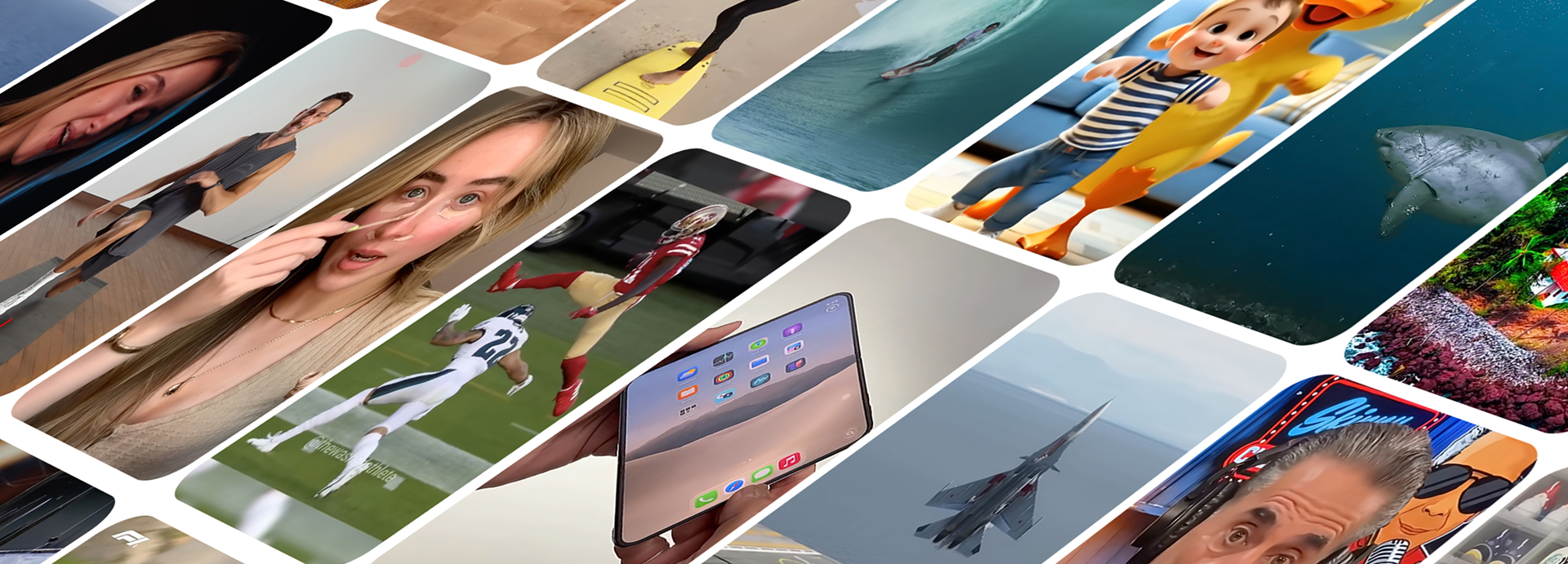
Safety on social isn't about avoiding participation, it's about participating confidently. Zefr already had a wonderful team of data scientists and engineers modeling a way for our product to crawl millions of new pieces of content in minutes to determine key suitability factors across 12 key risk categories and other trending topics to help advertisers understand their content adjacency. I redesigned the tools that customers interface with to quickly get the knowledge they need to improve their creative campaigns—UI and AI driven, MCP integration.
$10M
ADDITIONAL MONTHLY REVENUE
400
EXTERNAL MAUs
15%
BRAND SAFETY AND SUITABILITY IMPROVEMENTS
The Problem
A brand's presence on social media isn't just about placement, it's also about representation. Anyone can reference or parody a brand in a way that is demeaning without providing a way for the brand to even know. These trends make it more difficult for brands to only depend on ad manager's tools for placing their ads.
Gartner estimates that by 2030, 90% of the internet could be AI-generated. Brands can't afford to block all AI content without impacting scale. AI content ranges from artistic expression and entertainment to misinformation and AI sexualized imagery. Additionally, if a brand does run against content that was undesirable what action should be taken? These are all very complex problems that I worked with various teams to navigate.

The Challenge
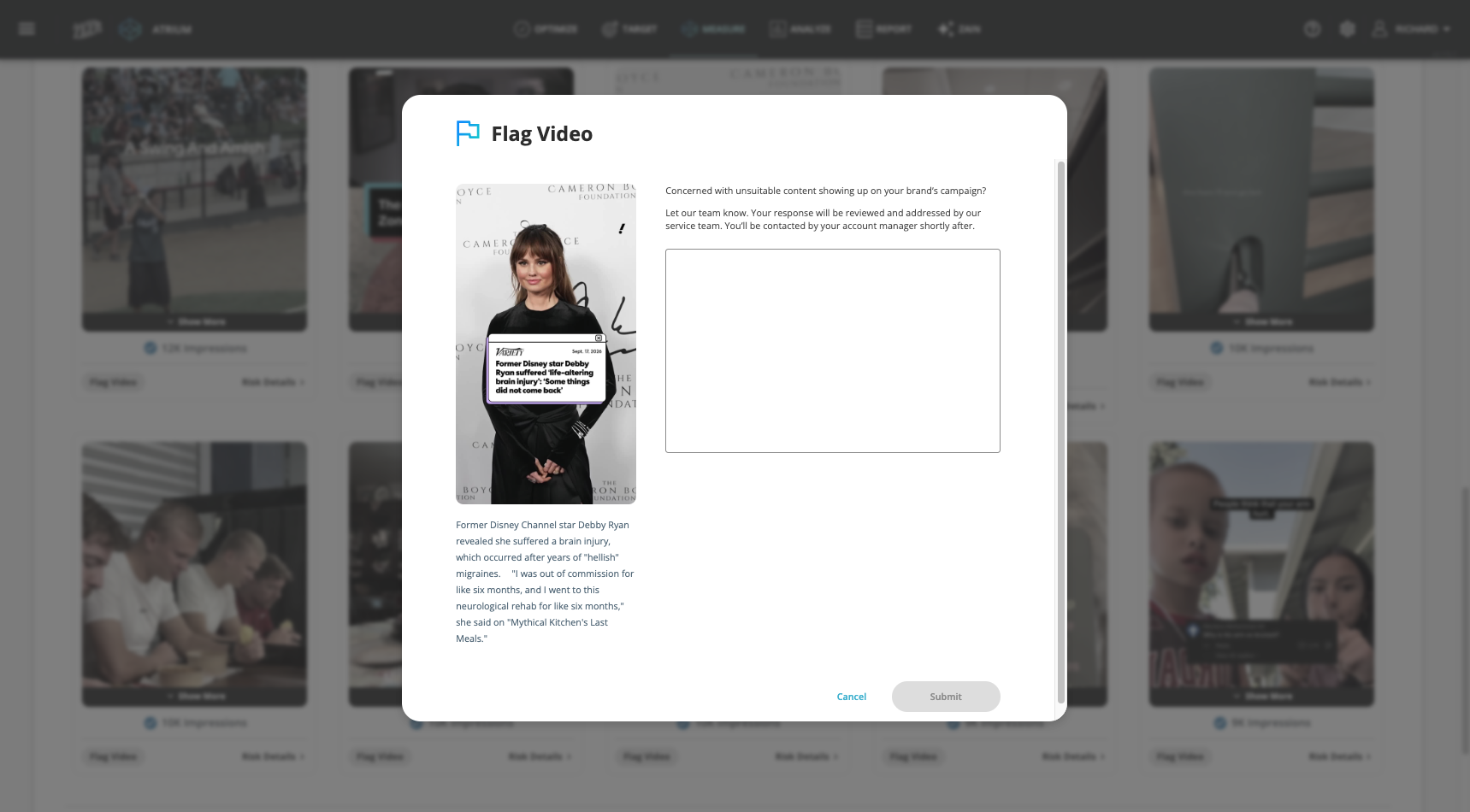
One real challenge was designing a single template for post and video lists flexible enough to hold whatever metadata a given platform's content actually carried — hashtags, descriptions, suitability tags — while still working across Meta, YouTube, TikTok, Snap, and whatever platform came next. The frames above are what I landed on to accommodate TikTok specifically.
TikTok also comes with content filters the other platforms don't have. Working those in without splintering the UI into a TikTok-only one-off mattered, since several of our customers run the same campaign across multiple platforms at once and need one consistent experience regardless of which platform's content they're reviewing.
The Solution
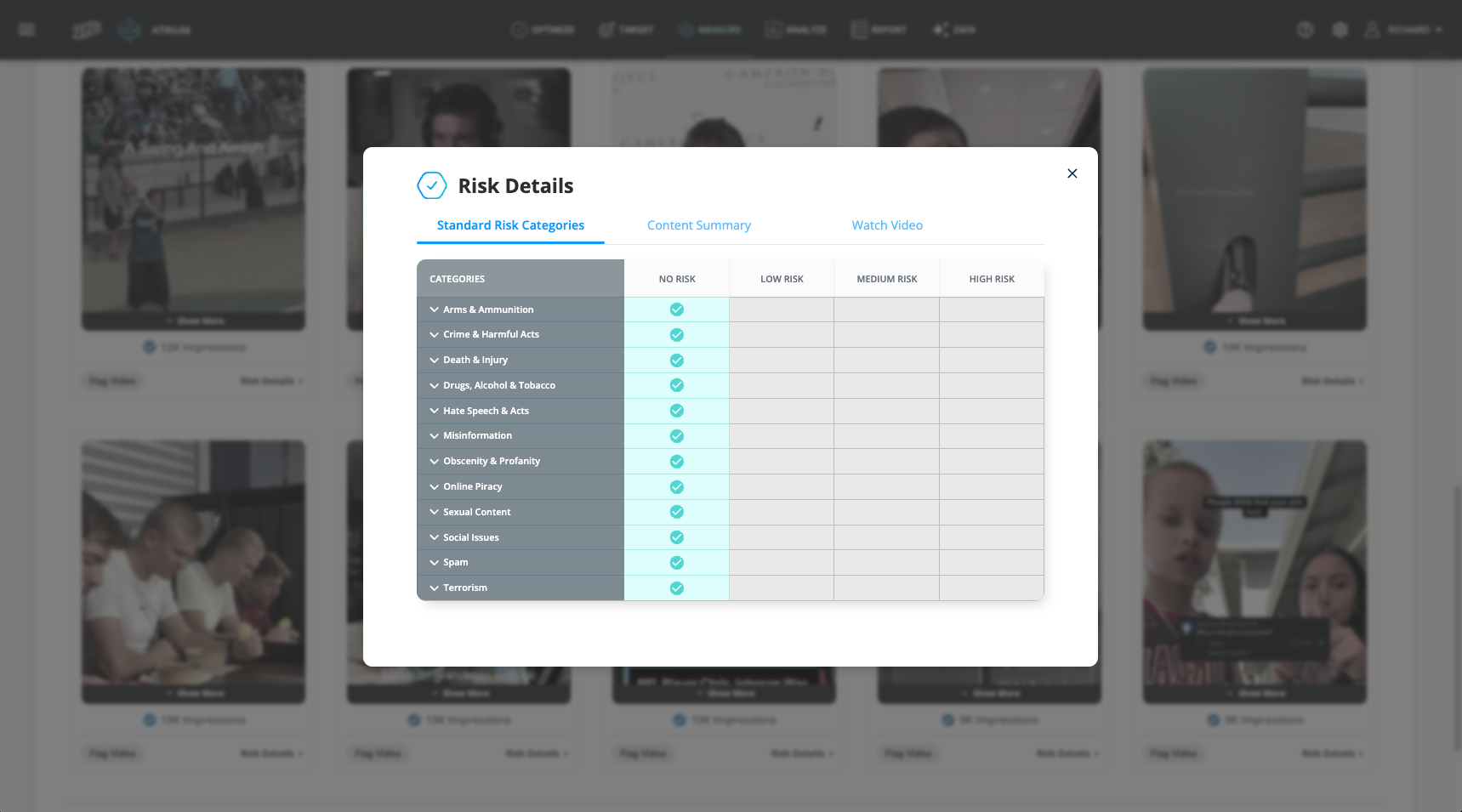
Our content analysts and data science team classify and label content in meaningful ways. Now customers can be aware of when their brand is misappropriated with generative AI or flagged due to any of the twelve GARM standards, like social issues or sexual content they might not align with brand values. The Zefr UI provides tools for setting up brand safety and suitability preferences, targeting, measuring live and previously run campaigns with reporting features allowing customers and their account managers to be more hands-on with their data ensuring that future campaigns run even more smoothly.
Or if customers want to be less hands-on, reporting features provide schedule reporting and alerts giving peace of mind to them and the brands they service. I owned the UX end to end reporting to a VP of product, initially managing an external team of designers and later bringing that team in-house. Next, I'm helping the team focus on an AI driven solution that quickens the way customers can gain insights and also work with it via a Claude MCP connection.
The Approach
Zefr's data models could survey, label, and report millions of pieces of content across platforms — but users struggled to grasp the significance of what they were running in front of. Usability and adoption were poor; the measurement suite was making maybe 10K/month when I started.
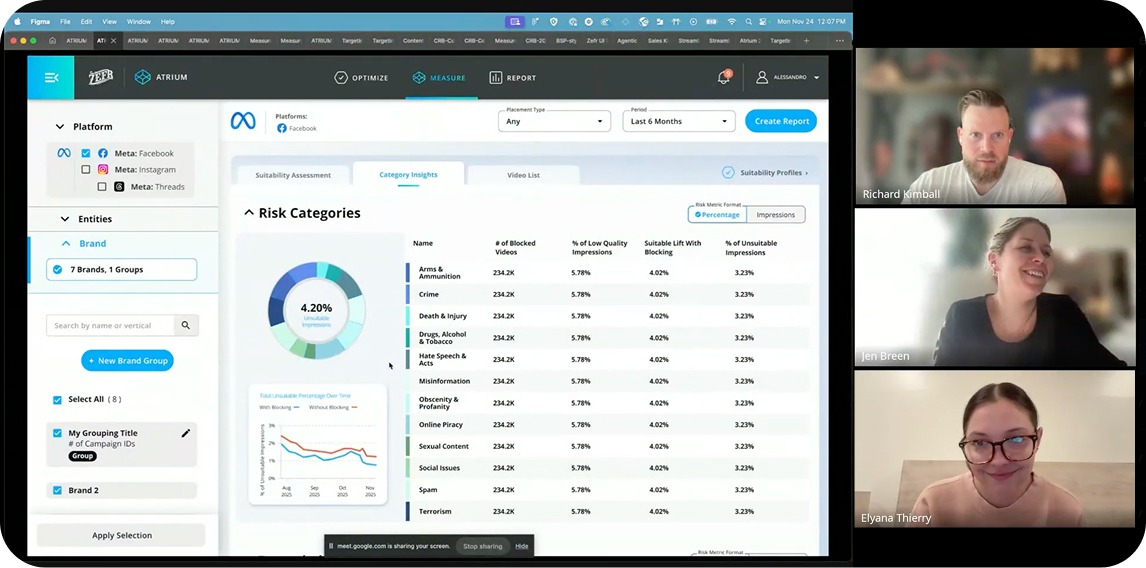
I interviewed campaign managers and planners at agencies representing huge brands to pinpoint their pain points — actionability was the big one, since finding bad content was one thing, but blocking it and keeping it out of future campaigns was still slow and manual. I led workshops with customers and internal stakeholders to surface the right problems, mostly remote using Miro.


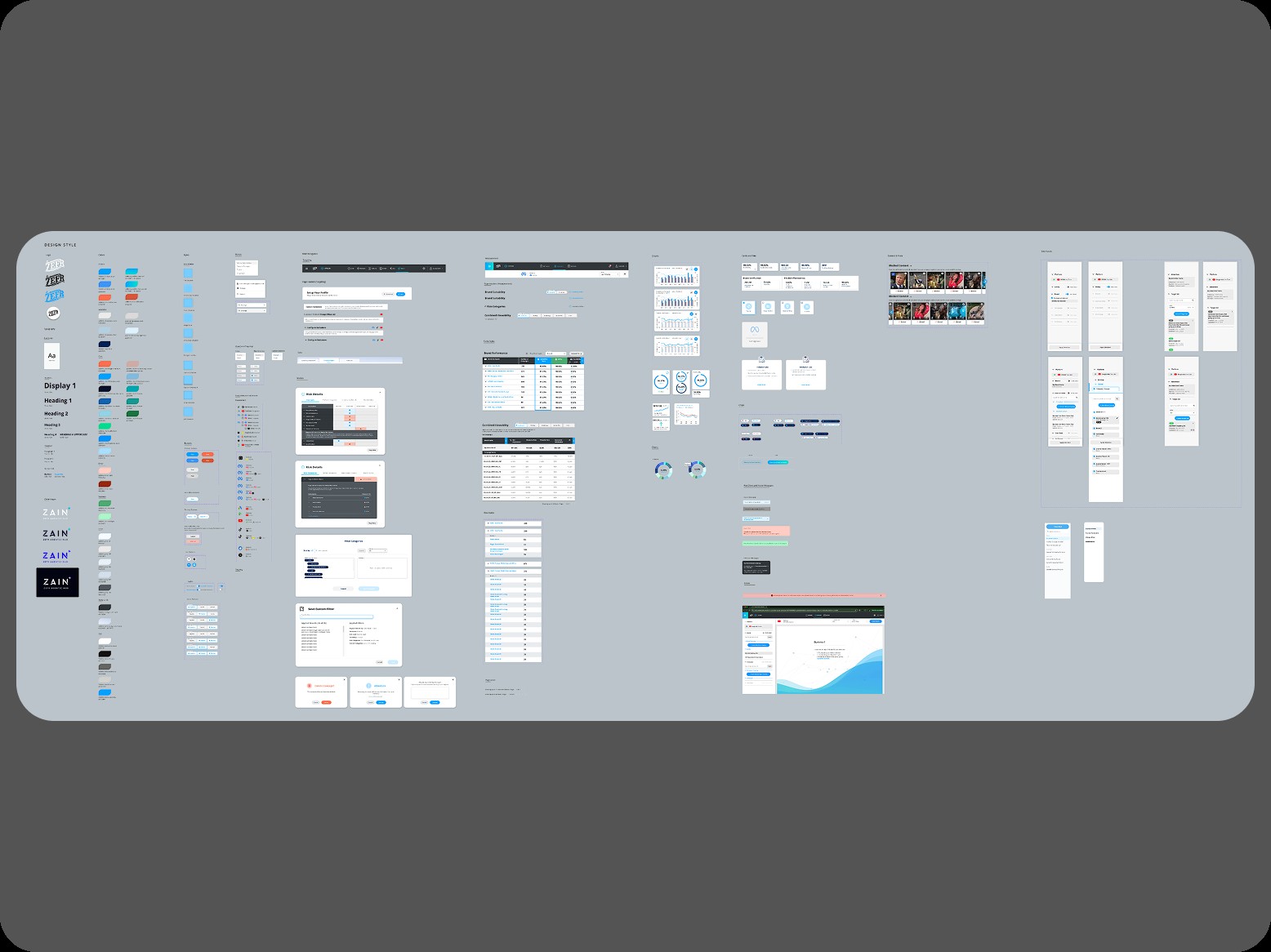
Workshops and internal discussions helped me structure personas and build better flows from early “How Might We…” brainstorming, which led to concept sketches of what a new Zefr UI could become. Once I aligned with stakeholders on the key ideas, I moved into hi-fidelity design that became the catalyst for a style guide and component library built to repeat across future iteration. After a few years, that led to better components in Storybook, then to crafting skills for Claude Code and AI-assisted prototyping.
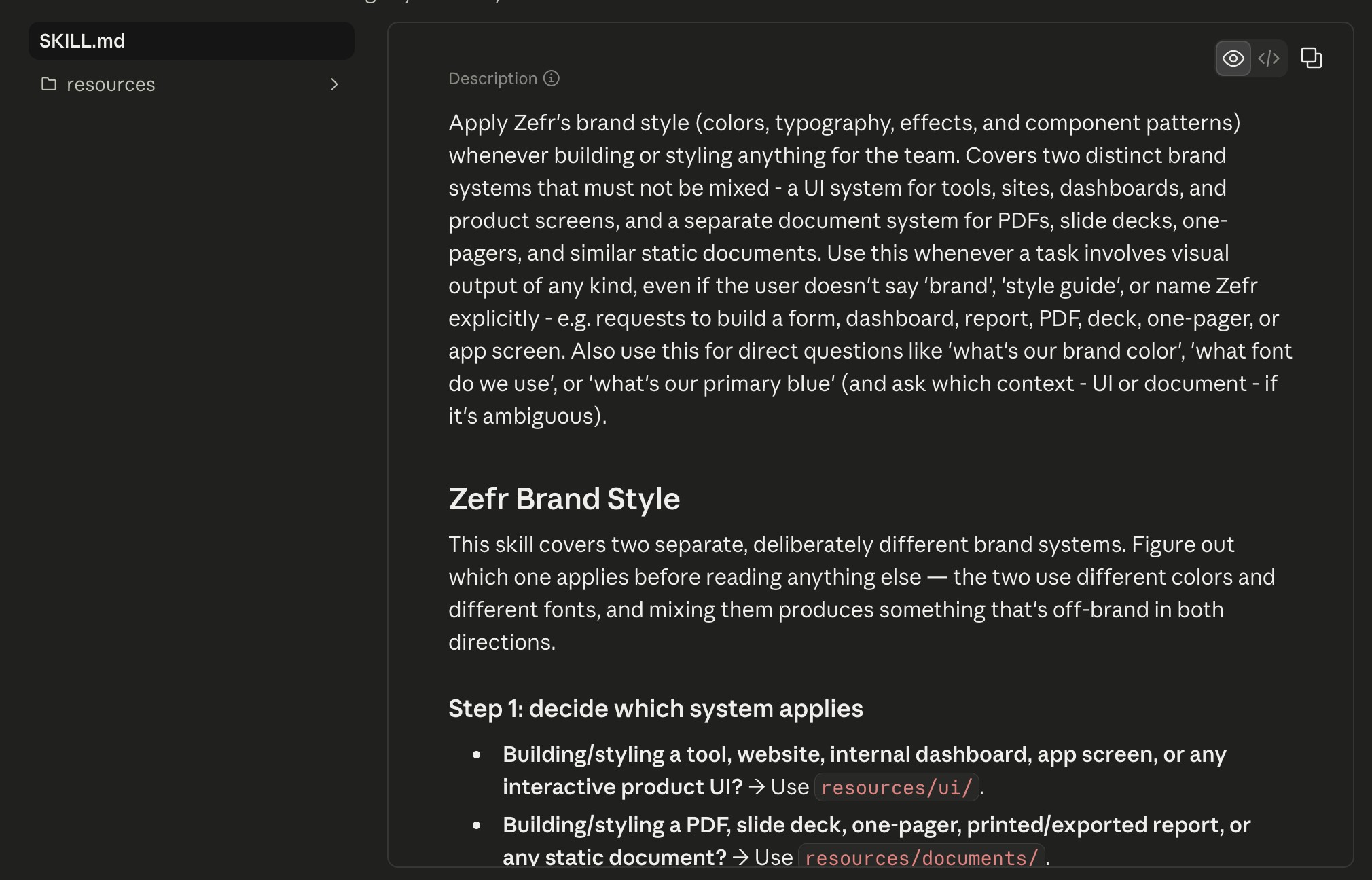
Up until 8 months ago, I noodled screens together by hand and sometimes still do — but mostly I prototype in Claude Code now, moving between Claude and Figma to shape flows and behavior, leveraging Claude skills to check against brand guidelines and behavior patterns.
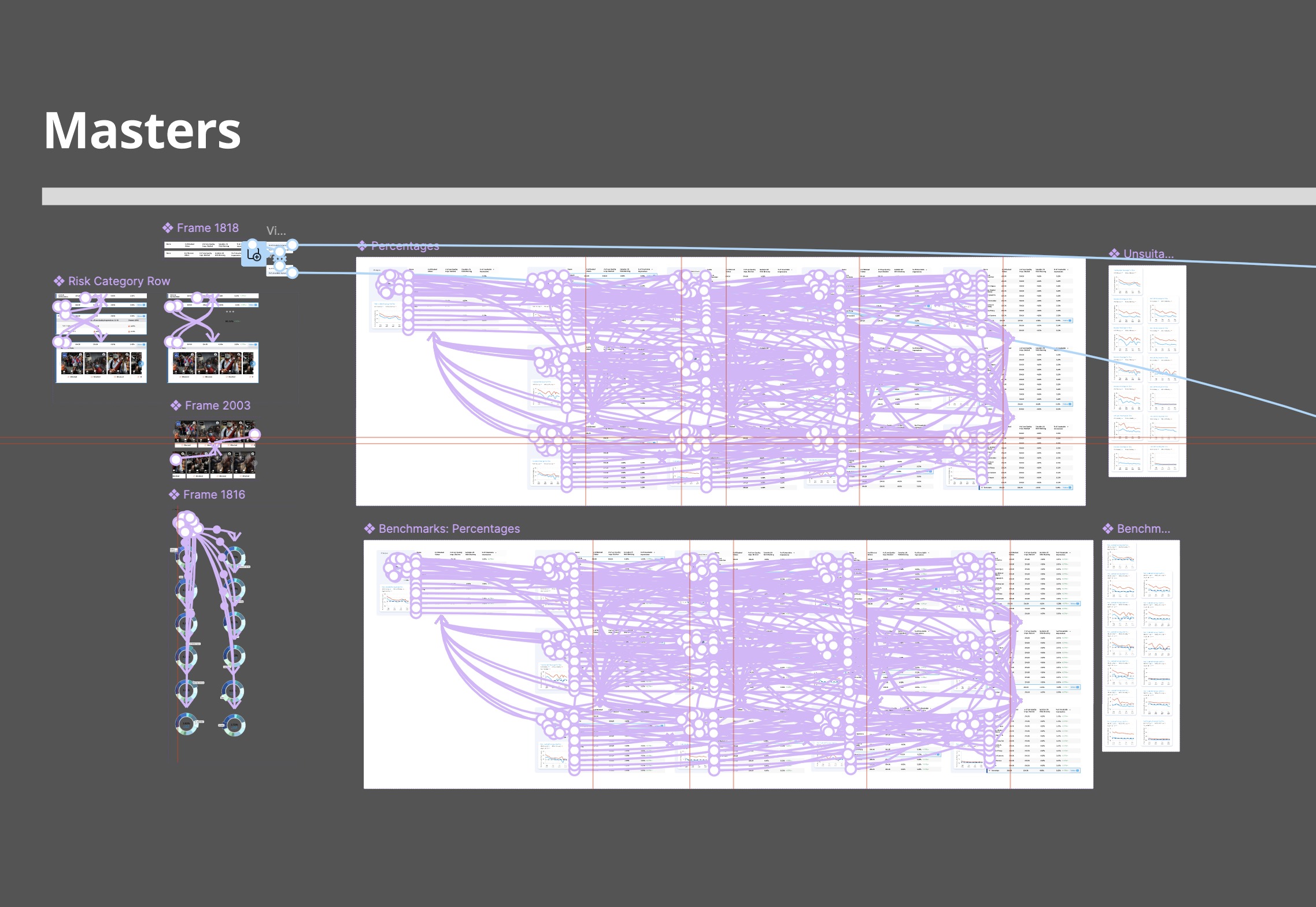
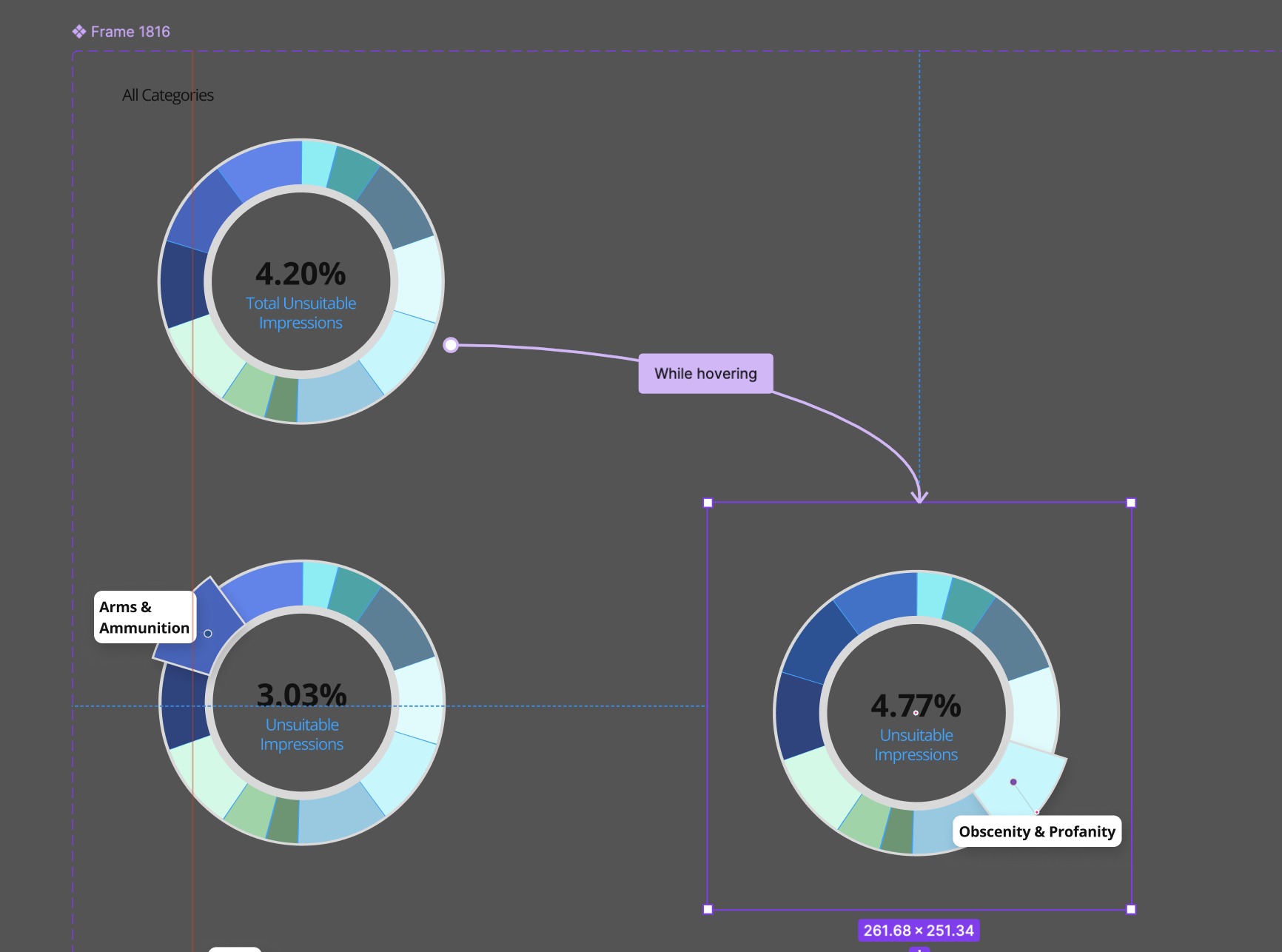
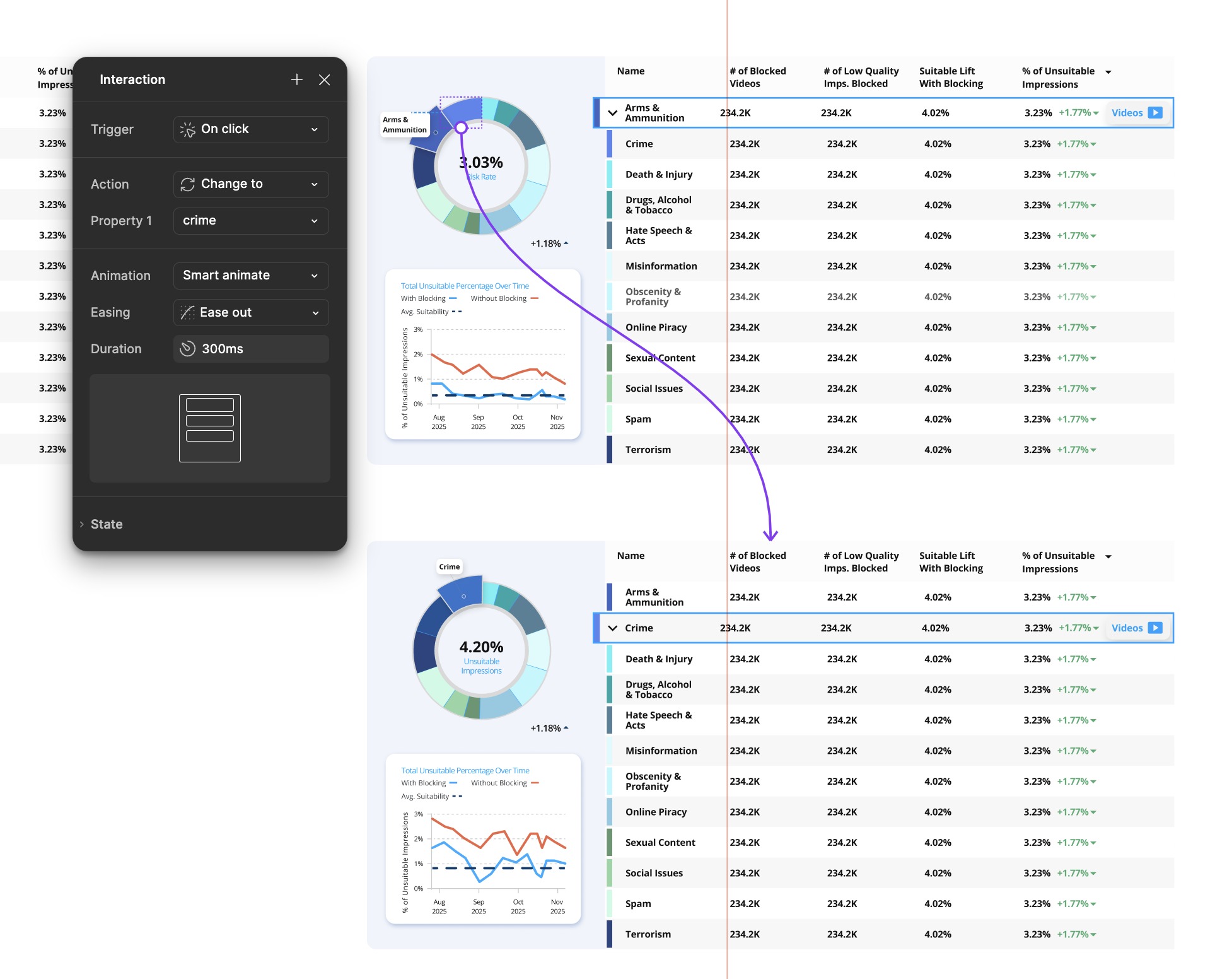
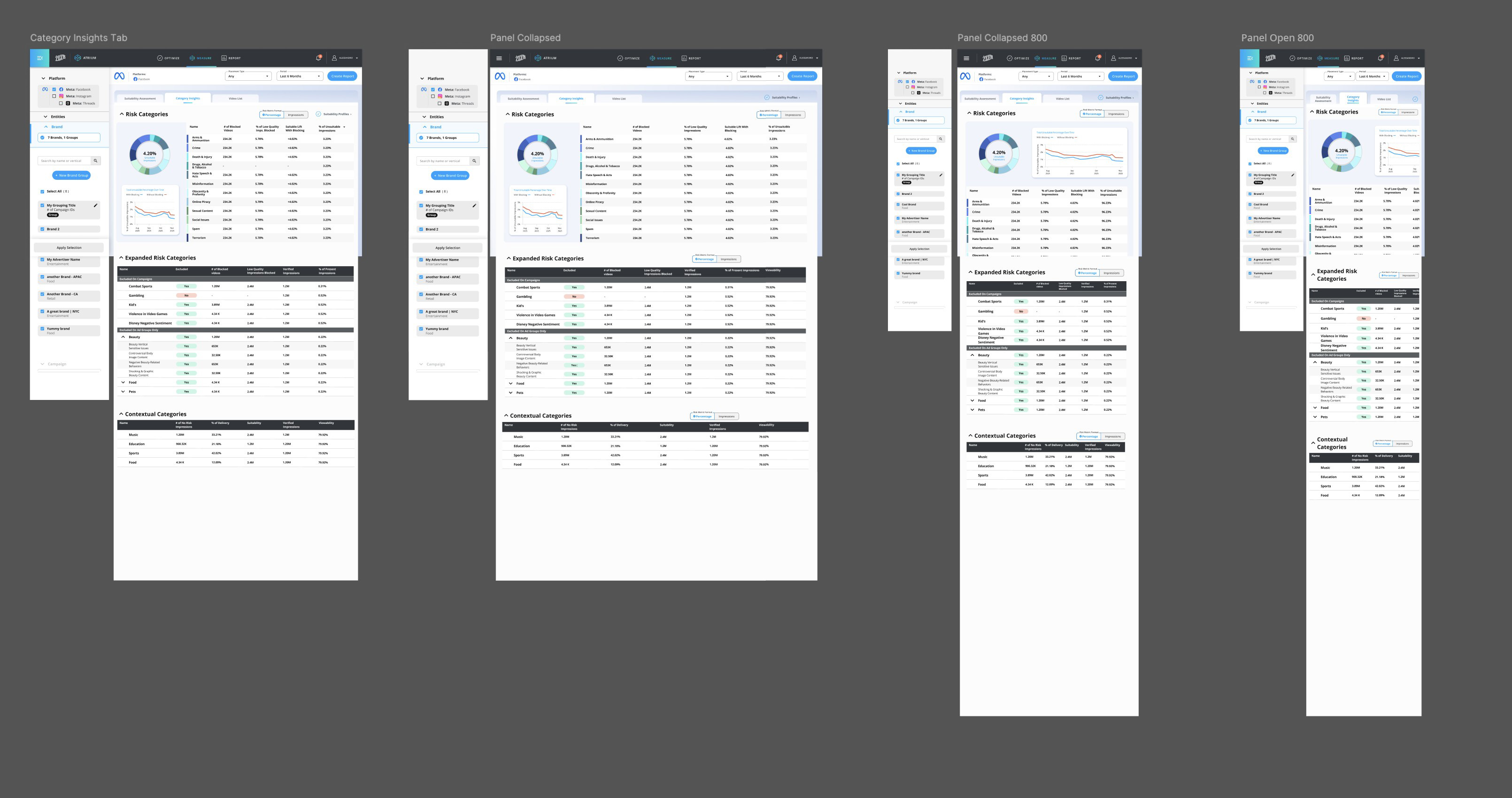
Upon aligning on a direction that aligned with Zefr's needs and user needs via early exploration and discussion, I was able to start building. In the case of the Risk Categories page, I had not yet built components for this feature and while I was able to borrow from some existing components, it still required a keen understanding of atomic design principles.
Now I leverage Claude Code to assist with component management via Storybook and Claude skills to audit brand and usage guidelines as new features are built.
The Output
While I was also very focused on improving our targeting and settings features, my biggest win at Zefr has been helping the team find a product/market fit that is making a difference in the industry and for the business.
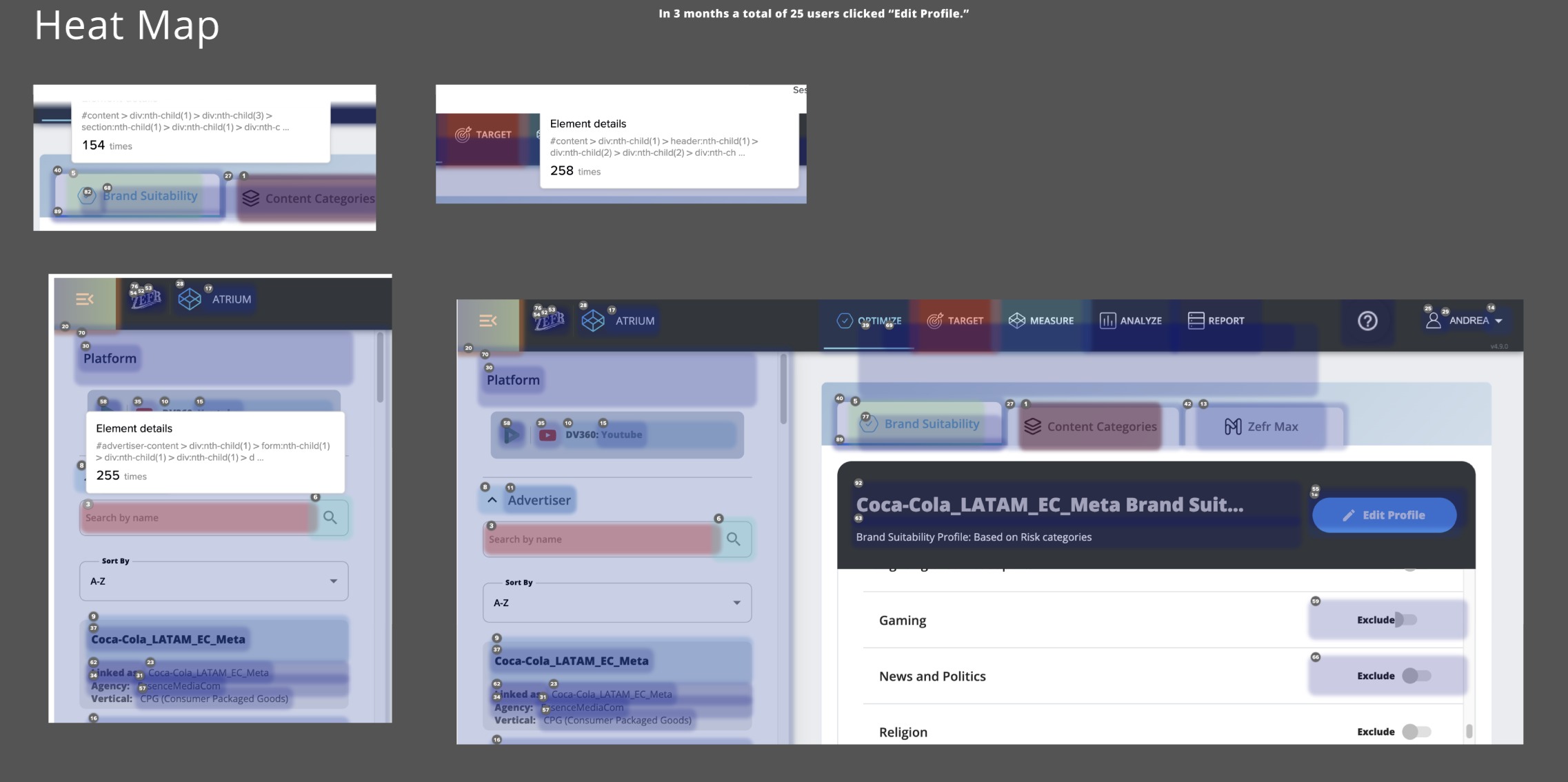
I've been able to achieve this by being collaborative across global time zones, being diligent with using product analytics to check heat maps, dead clicks, user behavior, etc., while leveraging Pendo, an in-application guidance support and notification system, to build guidance and support and gain insights via user funnels and their analytics. This allowed me to help shape our product road maps and understand what to build next.
(Note: All of the data in these mocks shown is dummy data for illustrative purposes only. None of it is actual platform or client data.)
What's Next
With a marketing brand update, Zefr will soon change it's skin. I've prepared designs for this process and currently working with a team to improve upon claude skills and our style guide.
While it is important to maintain component integrity in Figma, it is no longer the source of truth for our design system. Leveraging storybook with claude has allowed me to have stronger alignment with my teams.

What are others saying about Richard Kimball?
Elyana Thierry
GTM Partner
Richard is a fantastic XFN partner who consistently delivers thoughtful, user-centric designs. His strong understanding of how design impacts usability and his strategic recommendations always improve the overall experience. He's responsive, collaborative, attentive to feedback, and moves quickly without sacrificing quality. It's a pleasure to work directly with Richard!
Jul 31, 2026

Shannon Belforti
Product Owner
Richard is an awesome partner in delivering great products to the measurement customer. He continually works to ensure the experience for the user is intuitive and innovative, and works hard to understand the customer needs and pain points before designing interfaces, or AI driven experiences that don't always require a UI. Richard's dedication to UX has been pivotal in differentiating from our competitors as well as both winning and retaining business.
Sep 24, 2025

Shad Aziz
Lead Developer
Richard is a fantastic UI/UX designer who not only creates well thought out designs, but takes feedback really well. He's always working to make our apps better by trying new things, and his positive attitude makes collaborating with him a really enjoyable experience.
Aug 16, 2023

Brittany Scott
SVP, Global Partnerships
I wanted to give a shout out to Richard Kimball for the continued, amazing work that he does to support Zefr’s UX and UI. This work is a huge differentiator vs Zefr’s competitors, DV and IAS. This week I was talking to the agency social lead for one of our largest clients and they did a head to head test with IAS and DV (which was not known to us.) They mentioned that the ease, navigation and beauty of the UI really made us stand out against all competitors. It was night and day and reinforced the value to them of their partnership with Zefr. Thanks Richard! Your work really matters!
Aug 1, 2024
View More Work


 LinkedIn